
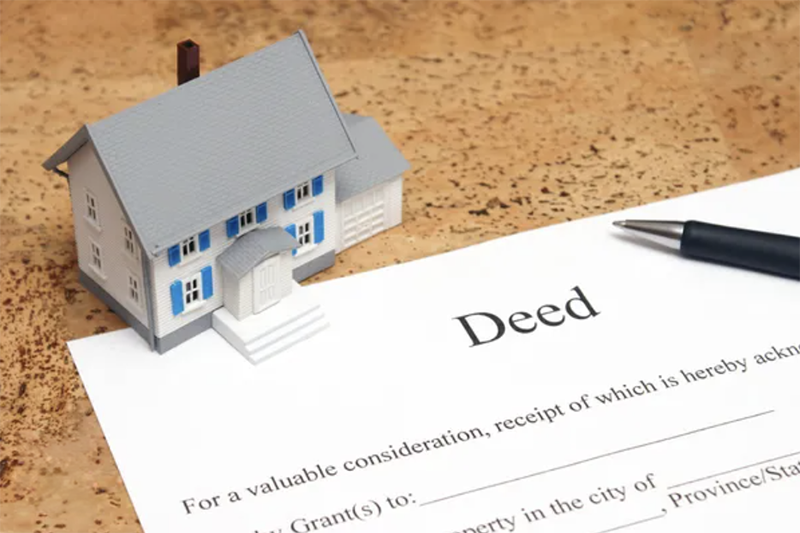
Deed Theft Is Becoming a Serious Problem for New York Homeowners
Across New York, more homeowners are running into an issue that sounds extreme but is very real: deed theft. This type of fraud allows someone to take ownership of a property on paper without the actual owner knowing. By the time it’s discovered, the situation can already be complicated, involving legal disputes, financial loss, and months of trying to fix the damage. In high-value areas like New York City, the problem has been getting worse as scammers look for bigger opportunities.
What Is Deed Theft?
Deed theft happens when someone files fake documents that transfer ownership of a property into their name. These documents are recorded with the county, which makes the transfer appear legitimate. The real homeowner is often completely unaware until something unusual happens, like receiving notices about a loan they never took out or being contacted by someone claiming ownership of their home.
Once the title has been changed, undoing it is not simple. It usually requires legal action, and in some cases, the property may even be sold before the original owner realizes what happened.
Why New York Is Being Targeted
There are specific reasons why New York has seen more of these cases. Property values are high, which means there is more money to be made from each scam. At the same time, many homes are owned by older residents or families who have held onto property for years, sometimes without regularly checking public records.
In parts of New York City, especially neighborhoods with long-term ownership, scammers see an opportunity. A paid-off home with no active mortgage is often an easier target because there is less oversight from lenders.
How These Scams Actually Happen
Deed theft is not random. It usually involves planning and attention to detail. Scammers often gather public information about a property, then create forged documents that look official. They may use fake identification or work with someone posing as a notary to make the paperwork seem valid.
Some cases involve targeting vacant homes or properties tied to someone who has recently passed away. Others involve rental properties where the owner is not physically present. The goal is always the same: transfer ownership quietly and quickly before anyone notices.
The Real Impact on Homeowners
For the people affected, this is not just a paperwork issue. It can mean losing control of their own home, at least temporarily. Fixing the situation can take months or longer, and legal fees can add up quickly.
There is also the stress that comes with it. Imagine finding out that, on paper, your home no longer belongs to you. Even if the situation is eventually resolved, the process can be exhausting and financially draining.
How to Protect Yourself
The simplest way to reduce risk is to stay aware of your property records. Homeowners should check their property status from time to time and pay attention to any unexpected mail related to ownership or loans.
Some counties in New York offer alert systems that notify you if a document is recorded under your name. These alerts can make a big difference because they allow you to act quickly if something looks wrong.
It also helps to be cautious with personal information and to work only with trusted professionals when handling property-related documents. Most scams succeed because they go unnoticed, not because they are impossible to stop.
Final Thoughts
Deed theft is becoming more common, especially in places like New York, where property values are high, and records are easy to access. It is not something most homeowners think about, but ignoring it is a mistake. Staying informed and checking your property records regularly is one of the simplest ways to protect one of your most valuable assets.